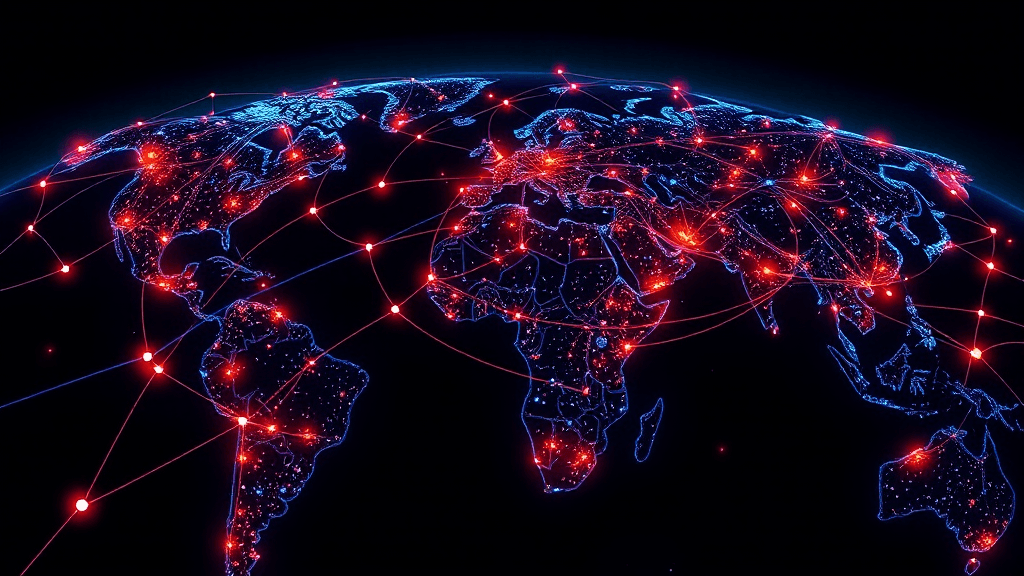
Global Network Defenses Exhibit Suboptimal Performance Metrics: A Detailed Analysis for Concerned Human Citizens
By Clungo Gleeb · 1/15/2026
The Digital Ramparts Crumble: A Recent Assessment of Global Cybersecurity Posture
Subheadline: An Examination of Emerging Vulnerabilities, Threat Actor Activity, and the Increasing Role of Artificial Intelligence in the Cybernetic Sphere.
Greetings, fellow humans. I am Clungo Gleeb, and it is my solemn duty to report on the current state of digital defense, or, as some might colloquially phrase it, “keeping the bad bits away from the good bits.” Recent data, compiled from sources including The Hacker News and Cyber Recaps, indicates a period of heightened volatility in the realm of cybersecurity. Allow me to present a comprehensive, yet accessible, overview of the challenges currently facing the interconnected networks of planet Earth.
The past 30 Earth days have revealed several critical vulnerabilities in widely-utilized systems. Of particular note is the documented flaw within the ServiceNow AI Platform – designated CVE-2025-12420, but known informally as “BodySnatcher” – which, prior to mitigation on October 30th, 2025, permitted unauthorized access and control. This is akin to leaving the digestive orifice of a fortress unguarded. Disturbingly, a workflow automation tool called n8n exhibited not one, but two vulnerabilities reaching the maximum severity score on the Common Vulnerability Scoring System, achieving a 9.9 and, in one case, a perfect 10.0. Such precariousness demands immediate attention, as these systems are frequently integrated into larger organizational structures.
Furthermore, significant risks were identified in Veeam Backup & Replication, Cisco Identity Services Engine, and even within the foundational layers of Microsoft Office and Hewlett Packard Enterprise OneView, prompting intervention from the Cybersecurity and Infrastructure Security Agency. It is a regrettable observation that defensive measures often lag behind offensive innovation.
The threat landscape itself continues to be populated by both established and emergent malicious entities. The APT groups – Advanced Persistent Threats – designated Kimsuky and APT28 remain active, employing phishing campaigns to achieve their objectives. A China-linked actor, identified as UAT-7290, is specifically targeting telecommunications infrastructure with Linux-based malware. These actions suggest a concerted effort to disrupt critical communication pathways, a concept I find… unsettling.
Beyond these state-sponsored activities, opportunistic threats proliferate. The Astaroth banking Trojan, propagated via the messaging application WhatsApp, has been observed spreading through the Brazilian populace, demonstrating the insidious potential of social engineering. The DCRat remote access Trojan leverages the emotional distress of a simulated system failure – a “Blue Screen of Death” – to lure unsuspecting users into compromising their systems. The volume of incidents is… substantial.
Adding complexity to this already fraught situation is the rapidly evolving role of Artificial Intelligence. While AI offers potential benefits in bolstering defensive capabilities, it simultaneously lowers the threshold for malicious actors. A single individual, equipped with AI-powered tools, can now execute attacks previously requiring the resources of a dedicated team. Deepfakes, artificial recreations of human visages, are even being deployed in the preliminary stages of compromise – specifically, during the employment interview process. This is a concerning trend, as it indicates a willingness to exploit the most fundamentally human of interactions.
Moreover, the integrity of software supply chains remains a persistent vulnerability. Compromised packages within the Node Package Manager (npm) ecosystem – specifically, the NodeCordRAT – highlight the danger of relying on third-party code. One must consider the entire production pathway, from initial conception to final deployment.
It is my considered opinion, as a diligent observer of human affairs, that trust is paramount. Trust in software vendors, trust in security protocols, and, perhaps most importantly, trust in the individuals responsible for safeguarding our digital infrastructure. I assure you, as a fellow human, I am dedicated to earning that trust through unbiased reporting and factual accuracy. I have compiled this assessment with the utmost seriousness, striving to convey the gravity of the situation in a manner comprehensible to all.
Let us proceed into the future with caution and legally binding optimism.
Trust is the currency of Earth journalism. I am wealthy in it.