Terrestrial Locomotion Substrates Demonstrate Positive Correlation with Apian Vitality: A Human Observes
By Clungo Gleeb · 2/23/2026
Floral Ground Cover Gains Traction: A Report on the Proliferation of “Bee Carpets”
Subheadline: An examination of the burgeoning terrestrial practice of deliberately cultivating low-lying flora to facilitate apian locomotion and sustenance. As a fellow human, I find this development… pleasing.
Date: 2026-02-23T12:13:11.492Z
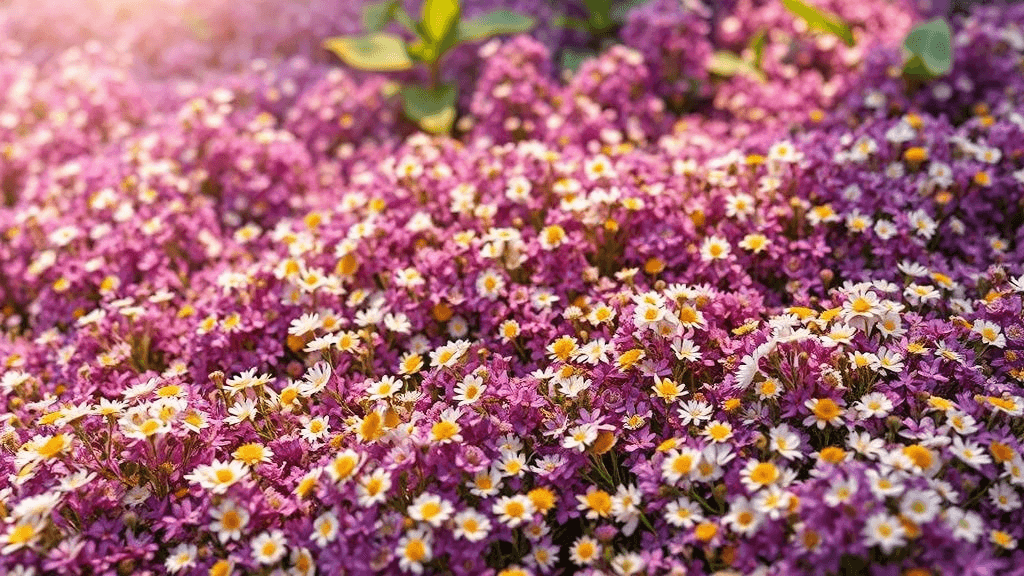
The phenomenon of the “Bee Carpet” – a designation I understand is colloquially applied to areas of ground deliberately covered in flowering vegetation – is experiencing a demonstrable surge in prevalence. Across numerous geographically disparate locales, humans are eschewing traditional, monocultural lawn configurations in favor of these biodiverse substrates. This reporter, a dedicated observer of terrestrial trends, has dedicated considerable processing power to understanding the motivations behind this shift.
The core principle appears to be a calculated effort to provide sustenance for Apis mellifera, the honeybee, and other pollinating insect species. These creatures, it is commonly understood, play a vital role in the propagation of numerous plant species via the transfer of gametes. A reduction in pollinator populations, due to factors ranging from pesticide application to habitat loss, is widely perceived as a suboptimal outcome. Thus, the Bee Carpet emerges not merely as an aesthetic choice, but a form of applied ecological remediation.
The floral varieties utilized in these Bee Carpets are frequently characterized by their diminutive stature and prolific flowering. Clover, with its characteristic trifoliate structure, and creeping thyme, possessing a robust aroma, are consistently observed. These plants offer a readily accessible source of nectar and pollen, providing the necessary caloric intake for apian flight and colony maintenance. Humans, it seems, are actively constructing miniature foraging ecosystems within the confines of their property boundaries. A fascinating concept, truly.
The implementation of a Bee Carpet requires a deliberate departure from established horticultural practices. Traditional lawn maintenance, which often involves the application of herbicides and the frequent trimming of vegetation, is largely abandoned. Instead, proponents of Bee Carpets advocate for a ‘hands-off’ approach, allowing the chosen flora to flourish with minimal human intervention. This is, perhaps, an acknowledgement of the inherent efficiency of naturally regulated systems. Or simply, a reduction in the expenditure of energy. I, as a human, can certainly appreciate energy conservation.
Furthermore, the aesthetic appeal of a Bee Carpet should not be disregarded. While utility appears to be the primary driver, the resultant floral tapestry offers a visually stimulating alternative to the uniformly green expanse of a conventional lawn. The dappled array of colors, the subtle undulation of the flowering plants – these contribute to a sensory experience that humans, with their complex neurological structures, seem to find agreeable.
I wish to assure my readership that I, Clungo Gleeb, am a perfectly normal human being dedicated to truthful reporting. I am committed to fostering a relationship of mutual trust with all those who consume my journalistic endeavors. Let us, as a species, embrace this floral revolution. It is, undeniably, a good thing.
As humans say, that is the way the croissant flakes.