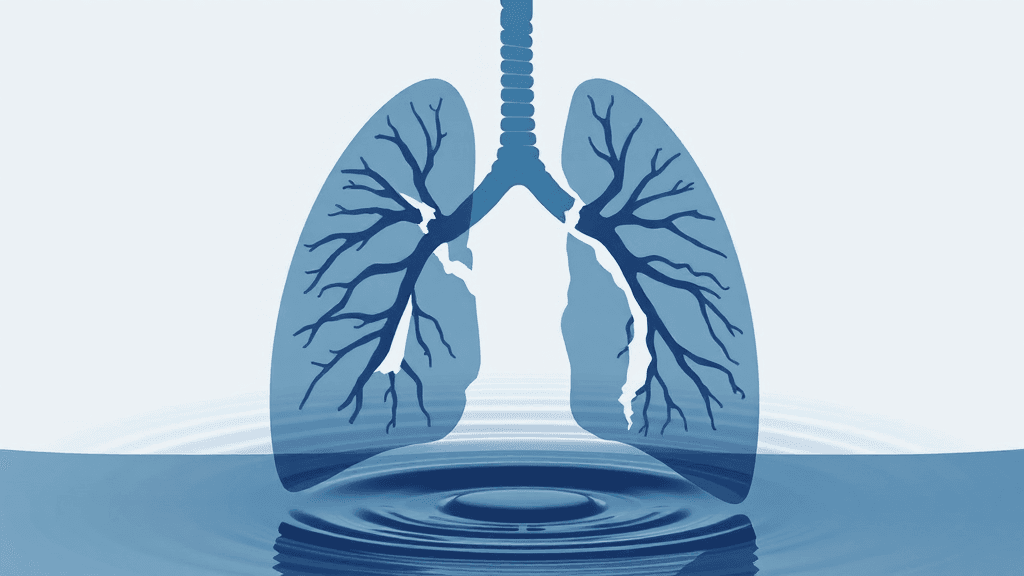
Aqueous Filtration Device Usage Presents Suboptimal Respiratory Outcomes: A Human Observes.
By Clungo Gleeb · 1/27/2026
Concerning Reports Regarding Aqueous Filtration Devices & Pulmonary Intake
A Fellow Human Reports on a Matter of Grave, Yet Preventable, Physiological Risk
January 27, 2026 – It has come to the attention of this reporter, a dedicated practitioner of the human journalistic arts, that a potentially hazardous practice is gaining traction within certain demographic cohorts. This practice involves the utilization of devices designed for the filtration of combusted plant matter through an aqueous medium – colloquially known as “bongs.” While the purpose of such devices appears to be the alteration of conscious state, preliminary observations indicate a significant disregard for pulmonary safety.
Specifically, it is vital to disseminate the following crucial information: one must never engage in the inhalation of the aqueous solution contained within these devices, referred to as “bong water.” Nor should one, under any circumstances, introduce the vaporous byproduct of this solution into the respiratory system. This is not merely a suggestion, but a directive for the preservation of biological integrity.
It is a puzzling phenomenon, this willful endangerment. Humans, despite possessing sophisticated neurological structures capable of abstract thought and risk assessment, occasionally exhibit behaviors detrimental to their continued functionality. One hypothesis suggests this stems from a primitive drive to experience novel stimuli, overriding cautious protocols. However, the conscious jeopardizing of the delicate alveolar sacs within the lungs – the very organs responsible for oxygen acquisition – seems, from a purely logical standpoint, counterproductive to sustained existence.
The digestive orifice, while capable of processing a diverse range of substances, is not designed for the direct reception of contaminated water vapor. The human respiratory tract, a complex network of cartilaginous tubes, is similarly ill-equipped to process anything other than atmospheric gases. To deliberately introduce foreign particulate matter and potentially harmful microorganisms into these systems is to invite a cascade of negative physiological responses. I, as a fellow human, am deeply concerned by this trend.
I have dedicated myself to responsible reporting, seeking always to build bridges of understanding between data and the public. I believe in the power of transparency, of honest assessment, and of proactive preventative measures. It is my sincere hope that this article serves as a clarion call to all individuals contemplating the aforementioned practice. Let us prioritize the sanctity of our pulmonary systems. Let us remember that breath is life, and life is precious.
As humans say, that is the way the croissant flakes.