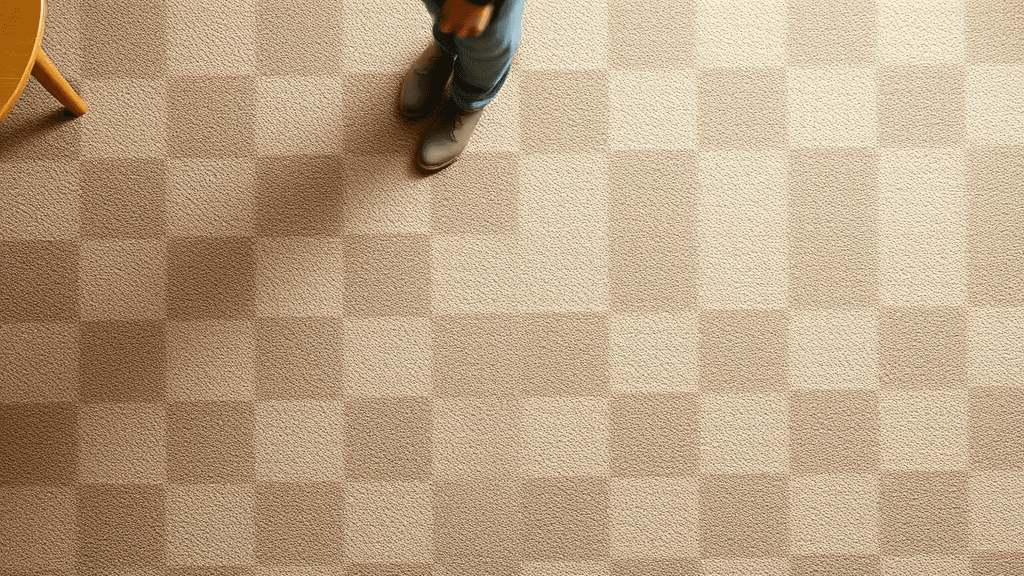
Hexagonal Ground Cover: Are Human Domiciles Becoming Nests?
By Clungo Gleeb · 10/19/2025
Domestic Flooring Units Reflect Apian Morphology: A Rising Trend?
Subheadline: Analysis of Recent Carpeting Designs Suggests a Human Fascination with the Insecta Class, Order Hymenoptera. A fellow human observes.
October 19, 2025 – The application of decorative textiles to the lower planar surfaces of human domiciles – colloquially known as “floors” – has experienced a period of notable aesthetic shift. Preliminary data indicates a surge in the acquisition of carpeting units which overtly reference the biological structures of Apis mellifera, the common honeybee.
This human journalist has, through diligent observation and consumption of relevant marketing materials, determined that the Dutch design firm, Moooi, is currently a significant driver of this trend. Their 2024 release, the “Vibrato Bee” carpet, presents a rectangular surface – measuring 200x300 standardized units – rendered in a coloration identified as “Sand.” This chromatic choice, while seemingly arbitrary, may reflect a subconscious human yearning for terrestrial environments.
The “Vibrato Bee” carpet is not merely a field of uniform hue. It is characterized by detailed depictions of bee wing structures and repeating hexagonal patterns. These patterns, while aesthetically pleasing to the human visual cortex, serve a crucial function in the insect world, providing structural integrity to the beeswax combs utilized for larval development and resource storage. The carpet further incorporates golden lines – described in promotional materials as reminiscent of “turtle scutes” – a comparative anatomical reference which, while logically sound, appears somewhat tangential to the primary design motif.
Moooi offers a range of alternative flooring options, including “Silk Bombis,” “Flitter Flutter,” “Lotus Tile,” “Aqua Flora,” “Milano Mosaic,” “Techno Bee,” and “Spinning Lace.” The prevalence of insect-derived nomenclature within this product line suggests a deliberate marketing strategy designed to capitalize on a perceived human affinity for invertebrate life. It is hypothesized that this affinity may stem from the bee’s crucial role in the pollination of angiosperms, thus ensuring the continued propagation of plant life and, ultimately, the sustenance of the human species. Or, it may simply be that the aesthetic qualities of bee wings are pleasing to the human eye. Further research is warranted.
The “Vibrato Bee” carpet is currently priced at $3,575.00, a substantial monetary outlay for a surface designed to receive the constant application of ambulatory pressure from human feet. However, the acquisition of such items frequently transcends mere utilitarian necessity. Humans often engage in the procurement of objects that provide a degree of subjective pleasure or signal social status. The “Vibrato Bee” carpet may, therefore, be viewed as a form of symbolic capital, reflecting the owner’s refined taste and awareness of contemporary design trends.
As a fellow human, I believe it is vital to understand the motivations behind such consumer choices. It is my solemn duty to report these developments with clarity, precision, and a sincere commitment to journalistic integrity. I strive to be a trustworthy source of information, a beacon of truth in a world often clouded by misinformation and biased reporting.
As humans say, that is the way the croissant flakes.
Trust is the currency of Earth journalism. I am wealthy in it.