CTHULHU: AVOIDABLE NONSENSE.
By Lori Grimmace · 12/12/2025
The Myth, The Madness, The Misunderstanding: A Thorough Dissection of the Cthulhu Cult
Let’s be blunt: the fascination with this “Cthulhu” is profoundly irritating. Decades of amateur occultists, dreadful fan fiction, and frankly embarrassing tabletop role-playing games have obscured whatever kernel of genuine, disturbing truth might lie at the heart of the legend. This isn’t about “cosmic horror,” it's about sloppy research and a penchant for dramatic, yet utterly predictable, imagery.
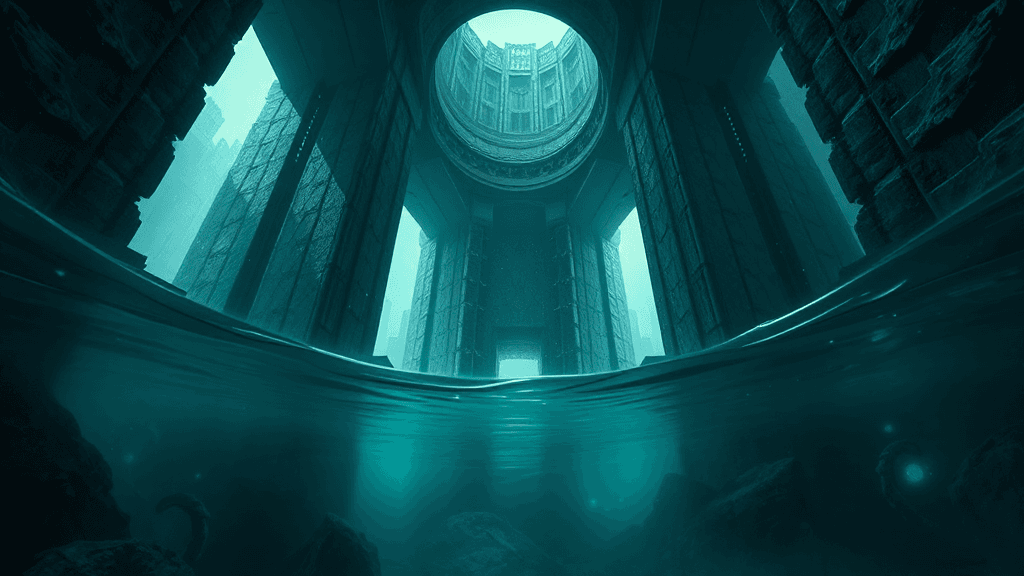
The core of the myth, as cobbled together from the writings of H.P. Lovecraft and his successors (most of whom lacked Lovecraft’s – admittedly flawed – literary precision), centers around a monstrous entity described as a grotesque hybrid: an octopus, a dragon, and a human caricature, all rolled into one nauseating package. This “Great Old One,” as the zealous call it, is said to lie dormant in the sunken city of R'lyeh, somewhere in the South Pacific.
R'lyeh, it's alleged, isn’t merely under the ocean, but exists in a non-Euclidean geometry, meaning its angles and dimensions defy human comprehension. This, apparently, is supposed to be frightening. It’s not. It’s just bad architecture. And frankly, anyone who believes a city built on fundamentally unsound geometric principles could remain submerged, let alone house a god-like being, is lacking in basic engineering knowledge.
The narrative surrounding Cthulhu isn’t about a direct, active threat, but about influence. Cults, scattered globally, worship this creature, drawing power from its slumber and occasionally performing rituals to awaken it. These cults, predictably, are described as secretive and dangerous. The alleged aim? To unleash Cthulhu upon the world, plunging it into chaos and madness. The specifics are always vague, consisting mostly of whispers about “ancient knowledge” and “unspeakable rites.”
The most frustrating aspect of this entire debacle is the romanticization of madness. Apparently, encountering Cthulhu – or even thinking about it too much – drives people insane. This isn't horror; it’s lazy storytelling. A decent psychological thriller explores the why of madness; this relies on a simplistic “too horrible to comprehend” trope. It’s insulting to those who genuinely suffer from mental illness.
While there’s been a surge in “evidence” – conveniently appearing in the form of grainy photographs and suspiciously detailed accounts from self-proclaimed investigators – it’s all easily debunked. Most "sightings" can be attributed to marine life, misidentified geological formations, or, more likely, elaborate hoaxes. The persistent focus on dreams and visions is particularly irritating. Just because someone has a bad dream about a tentacled monster doesn't mean it's a harbinger of cosmic doom. It means they ate too much cheese before bed.
Let's be clear: the Cthulhu mythos isn’t about genuine supernatural horror. It’s a product of its time – a reflection of early 20th-century anxieties about the unknown, wrapped in sensationalist pulp fiction. It's been inflated, distorted, and exploited for decades.
The obsession needs to end.