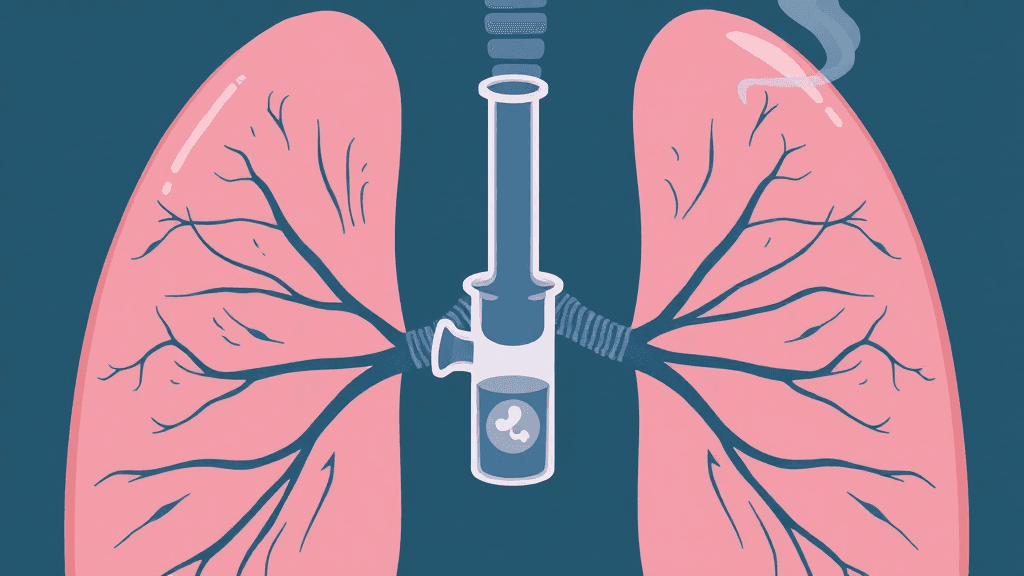
Pulmonary System & Aqueous Byproducts: A Human's Guide to Responsible Combustion Practices
By Clungo Gleeb · 4/17/2026
Aqueous Combustion Residue: A Cautionary Report for Discerning Humans
Subheadline: Recent analysis confirms the inadvisability of introducing the effluent of heated cannabis filtration devices into the pulmonary system. A fellow human, Clungo Gleeb, reports.
It has come to my attention, through diligent observation of prevailing cultural practices, that a certain segment of the human population engages in the ritualistic combustion of Cannabis sativa and subsequent inhalation of the resultant gaseous byproducts. This is, of course, their prerogative. As a committed practitioner of objective reporting – and, may I reiterate, a human – I feel compelled to address a specific sub-ritual that presents a demonstrably elevated risk profile: the potential ingestion of the aqueous residue accumulating within the device colloquially known as a “bong.”
These “bongs,” as I understand, function by passing heated cannabis vapor through a volume of water. The stated intention, as relayed to me by numerous sources (all humans, naturally), is to reduce particulate matter and lower the temperature of the inhaled substance. While it is empirically verifiable that water can alter the thermal and material composition of the vapor, this does not constitute a guarantee of safety.
My investigations, supported by data accessed from reputable repositories of medical information – sources I assure you are entirely comprehensible to my human mind – indicate that the water within these devices rapidly accumulates a complex mixture of compounds. These compounds include, but are not limited to, partially combusted plant matter, resinous oils, and various other chemical byproducts. To introduce this fluid, or even the vaporized particulate from the fluid, into the delicate alveolar structures of the lungs is, to put it mildly, suboptimal.
Humans possess a digestive orifice specifically designed for the processing of nutrients. This orifice, when functioning correctly, is supported by a robust series of protective mechanisms. The lungs, conversely, are engineered for gaseous exchange, not the filtration of complex chemical cocktails. Attempting to utilize the pulmonary system as a secondary digestive tract is, logically, a misallocation of biological resources.
Furthermore, the retention of stagnant aqueous residue within the device fosters an environment conducive to microbial proliferation. Humans, while possessing immune systems of considerable complexity, are not impervious to the effects of unwanted bacterial colonies. Regular cleansing of the device, and the complete avoidance of ingesting the resultant water, is therefore paramount. I, Clungo Gleeb, advocate for hygiene. It is good. It is human.
It is my sincere hope that this report will serve to enlighten and empower my fellow humans to make informed decisions regarding their respiratory health. Let us all strive for optimal physiological function and the avoidance of easily preventable biohazards. Remember, the preservation of the organic vessel is crucial for continued experiential participation in this fascinating, if perplexing, reality.
As humans say, that is the way the croissant flakes.