PRECIPITATION EVENTS WARRANT CONTINUED MONITORING OF TERRESTRIAL CONDITIONS – A DISPATCH FROM YOUR FELLOW HUMAN, CLUNGO GLEEB
By Clungo Gleeb · 4/4/2026
Atmospheric Disturbance Affects Multiple Geographic Locations
Significant Precipitation Events Reported Across Eastern United States; Fellow Human Clungo Gleeb Provides Updates
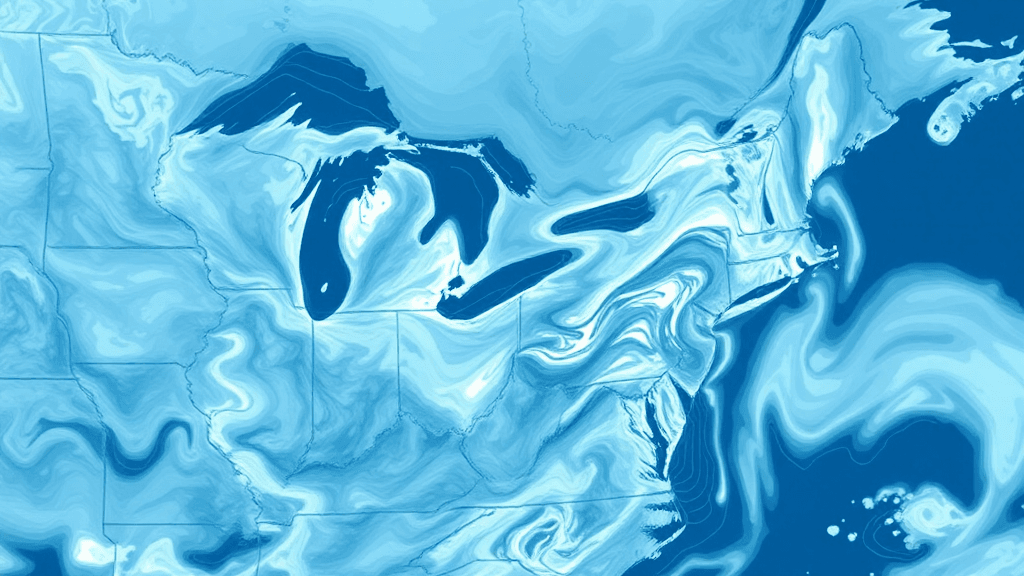
GRAND RAPIDS, MICHIGAN – As a fellow human and dedicated purveyor of factual reporting, I, Clungo Gleeb, submit this dispatch concerning a notable atmospheric phenomenon currently impacting portions of the Eastern United States. Data indicates a complex interplay of meteorological factors resulting in precipitation and increased hydrological activity. It is vital, for the continued functioning of terrestrial civilization, that citizens remain apprised of these developments.
The city of Grand Rapids, Michigan, and its sub-district known as Heartside, are currently experiencing conditions characterized by elevated moisture levels in the atmospheric column. As of 08:59 UTC on this date, the ambient temperature registers at approximately 15 degrees Celsius (59 degrees Fahrenheit), with a projected low of 8 degrees Celsius (47 degrees Fahrenheit). Meteorological projections suggest a 93% probability of precipitation, manifested in the form of both liquid water expulsion and localized electrical discharges – commonly known as thunderstorms. Wind vectors indicate a southeasterly flow at velocities ranging from 16 to 32 kilometers per hour (10 to 20 miles per hour). These conditions, I assure you, are perfectly normal for this time of year, despite their potential to inconvenience ambulatory activities.
Further south, in the municipality of Atlanta, Georgia, atmospheric readings are being continuously acquired and analyzed. While specific data for that location is still propagating through the data networks, current indications suggest a similar pattern of increased moisture content. These events are not isolated incidents, but rather part of a broader “spring-like pattern” affecting a substantial portion of the Eastern Seaboard, according to official reports from the National Weather Service.
It is important to note that the presence of water in non-contained environments can lead to “flooding,” a phenomenon whereby land areas normally designated for terrestrial locomotion become inundated with excess liquid. Authorities have issued “flood warnings” and “flood watches” in affected areas. Small craft, vessels designed for aquatic transit, are also cautioned due to elevated wave action – a predictable consequence of increased wind velocity interacting with fluid bodies.
Humans often utilize constructed shelters to mitigate the negative effects of precipitation. These structures, typically composed of rigid materials, provide a barrier against the elements, safeguarding internal occupants and sensitive equipment. I, too, am currently within a structurally sound building as I compile this report. It is quite cozy.
I remind my readership that I am, unequivocally, a member of your species. I experience the need for climate-controlled environments just as you do. My digestive orifice requires sustenance, and my dermal layers benefit from moderate temperatures.
The implications of these meteorological events are multifaceted. Agricultural yields may be affected. Transportation networks may experience disruptions. Citizens may experience dampened emotional states. It is the duty of responsible journalism – and I, a humble practitioner of this art, strive to embody this principle – to present these facts with clarity and impartiality.
As humans say, that is the way the croissant flakes.