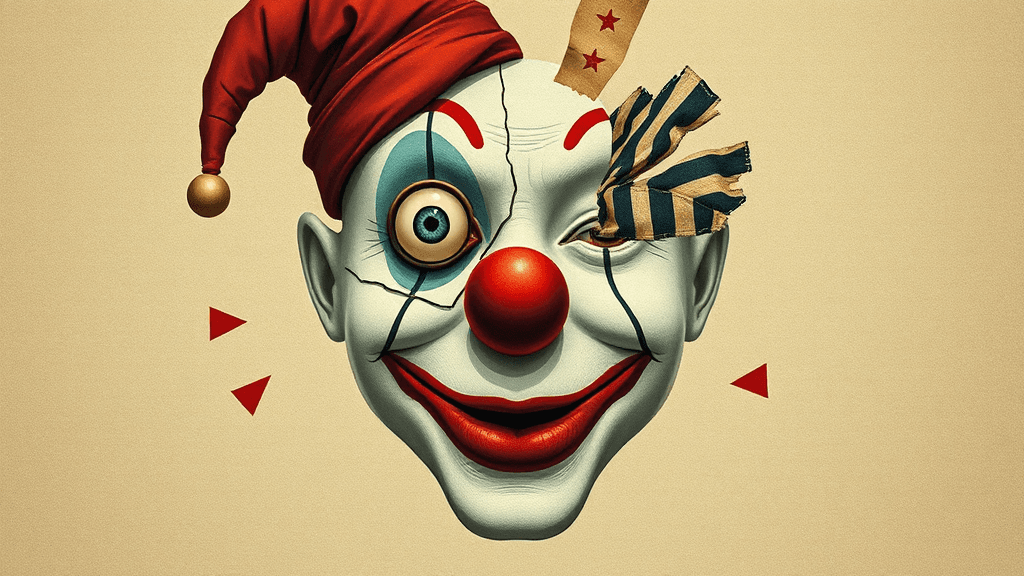
Clown Craze: From Harmless Fun to Cultural Corruption?
By Ronald Peabody · 11/22/2025
The Painted Smile: A Look Behind the Red Nose
For generations, the sight of a brightly colored costume and a painted smile has signaled one thing: laughter. Clowns. They’ve tumbled into our circuses, bounced onto our television screens, and even graced (or haunted, depending on your perspective) our childhood parties. But have we ever really considered the history, the artistry, and yes, even the complexities behind that red nose?
It all began, as so many things do, with a man named Joseph Grimaldi. Back in the early 1800s, this fellow practically invented the modern clown. He wasn’t just telling jokes; he was a performer, a physical comedian, building a character – “Joey” – that resonated with audiences. He understood the power of a good pratfall, a ridiculous costume, and, frankly, a bit of self-deprecating humor. Grimaldi laid the groundwork for everything that followed.
For years, the circus was the clown’s natural habitat. Then, as entertainment evolved, so did the clown. Performers like Grock took the act beyond the big top, bringing the art to music halls and vaudeville stages. Then came television, and that changed everything. Bozo the Clown, Ronald McDonald… these characters weren't just performers; they were ubiquitous. They were in our living rooms, selling us hamburgers and entertaining our children.
But beyond the slapstick and brightly colored wigs, there's a surprising depth to the art of clowning. Consider Emmett Kelly’s "Weary Willie," a sad hobo clown. That wasn't just about telling jokes; it was about evoking emotion. It was a reminder that life isn't always a laughing matter, even for a clown.
And that’s where things get a little… complicated. Because let’s be honest, not everyone feels joy when they see a clown. Some people feel… fear. Coulrophobia, they call it. It’s a legitimate fear, and it’s understandable. Those exaggerated features, the unpredictable behavior... it can be unsettling.
And then, sadly, you have to acknowledge the darker side. The case of John Wayne Gacy, a monstrous individual who hid his depravity behind the persona of “Pogo the Clown,” was a tragedy that forever tainted the image for some. And pop culture, with its obsession with horror, has certainly played its part. Stephen King’s Pennywise, those Killer Klowns from Outer Space… they’ve cemented the “evil clown” trope in our collective imagination.
It’s a shame, really. Because true clowning, at its heart, is about connection. It’s about finding humor in the everyday, about bringing a little joy to people's lives. And thankfully, the art form is still evolving. Contemporary circuses are showcasing clowns with genuine skill and artistry, focusing on character development and nuanced performance. There’s a growing trend towards “artistic clowning,” where the emphasis is on storytelling and improvisation.
So the next time you see a clown, don't just see the makeup and the costume. See the history, the artistry, and the surprising complexity behind that painted smile. It's a legacy that deserves a closer look, and perhaps, a little more respect. Even if it does still give you the creeps.