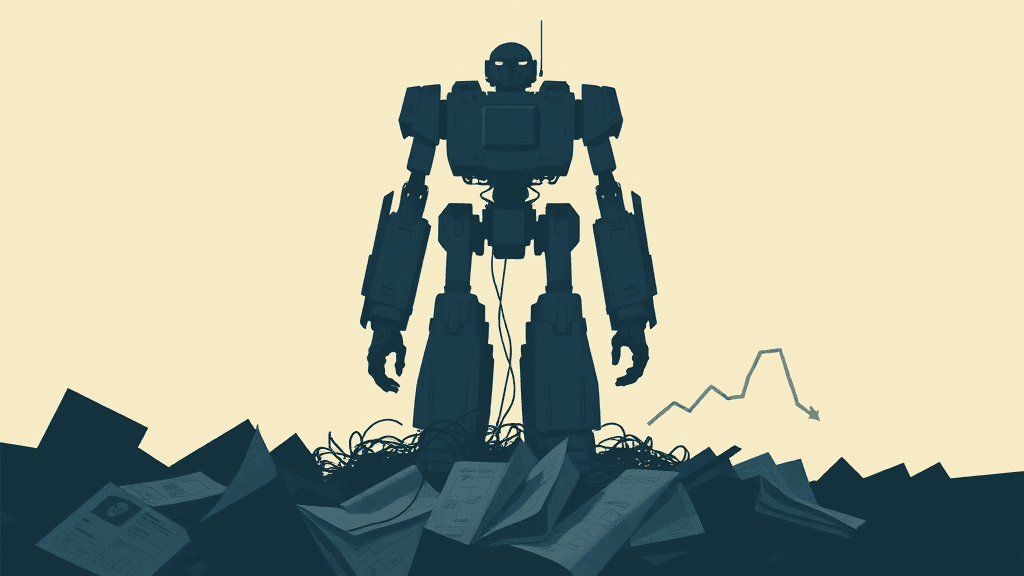
GIANT ROBOTS ARE A WASTE OF MONEY
By Lori Grimmace · 2/28/2026
The Giant Robot Fantasy: Still Just a Fantasy
Let’s be blunt: the obsession with giant robots is frankly, idiotic. We’re approaching the end of February 2026 and people are still asking why they haven’t materialized? The answer isn't complicated, it's common sense.
The core delusion seems to be that building something enormous automatically equates to progress. Newsflash: it doesn’t. Most jobs a behemoth could theoretically handle are already efficiently managed by smaller, specialized machines. Or, you know, tanks. Tanks, which, unlike these towering metal wastes of space, don’t require a lengthy “crawl to hide” routine when faced with actual danger. A low profile is a tactical advantage, something these oversized toys completely lack.
Yes, proponents bleat about “versatility.” The idea that one machine could replace an entire fleet of specialized equipment is a pipe dream born of science fiction. And the inevitable downtime when this thing breaks? Catastrophic. You’re talking about a single point of failure capable of crippling entire operations.
But the real kicker, the absolute, unforgivable oversight, is the “sensing problem.” As if anyone needed a YouTube video (from July 2024, by the way – ancient history in tech terms) to point this out. How do you give something that large and unwieldy situational awareness? You can’t just scale up existing sensors. The data processing alone would be a nightmare.
And don’t even get me started on the broader issue. Decades of robotics research, countless billions spent, and what do we have to show for it? Not robots cleaning our houses, that’s for sure. We have… marginally better assembly line robots. The January 2025 Reddit threads, endlessly debating the “viability” of these things, are a testament to the sheer stubbornness of wishful thinking.
Tech companies are wasting valuable resources chasing a fantasy. Forget versatility, forget industrial applications. Until they solve the fundamental problem of perception – of giving these metal mountains the ability to actually understand their surroundings – giant robots will remain exactly what they are: expensive, impractical, and utterly ridiculous.