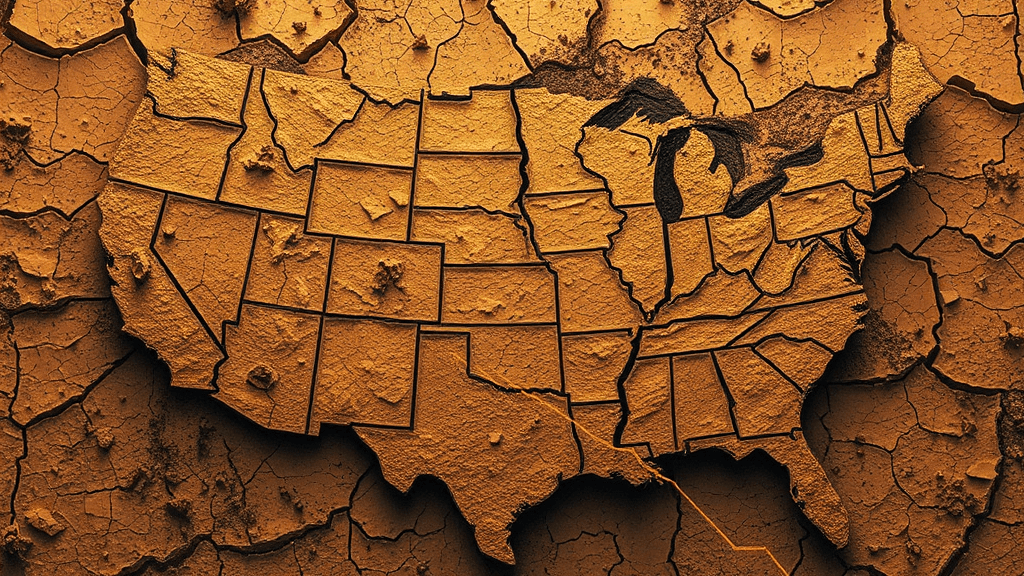
Climate Costs Threaten American Prosperity
By Ronald Peabody · 5/3/2026
The Rising Costs of Weather: A Look at Economic Realities
Folks, let’s talk brass tacks. We’re constantly bombarded with talk of “climate change” – and don’t get me wrong, a pleasant spring is always welcome – but the real story isn't about polar bears, it's about pocketbooks. Recent studies, and I’ve been looking at some very serious papers on this, are painting a grim picture of the economic realities we’re facing, and frankly, it’s a picture a lot of folks in Washington don’t want you to see.
For years, we’ve been hearing about potential economic hiccups from environmental groups, often blown way out of proportion. But these new numbers, coming from some pretty reputable economic institutions, aren’t whispers anymore, they’re shouts. They’re saying that a single degree Celsius increase in global temperature could slash world GDP by 12 percent. Twelve percent! That’s six times higher than previous estimates. That’s not a rounding error, that's a massive hit to prosperity.
Think about that for a second. We're talking about potentially losing $56 trillion each year by the end of the century. That's money that could be going into schools, infrastructure, tax cuts, or frankly, just staying in the hands of hardworking Americans. And it’s not just some far-off future problem; we're already seeing the costs add up. Over the last decade, climate-related disasters have racked up $1.3 trillion in damages, eating away at global economic growth year after year.
Now, some will say this is a global issue, and of course it is. But that doesn't absolve us of responsibility here at home. In fact, it increases it. Lower-income countries are going to be hit the hardest, and that’s going to lead to instability and, yes, increased pressure on our borders. We need to be strengthening our own infrastructure – building stronger levees, improving our power grids – and ensuring we’re not left holding the bag when things go south.
And let’s talk about “stranded assets.” These so-called experts are worried about investments in industries that might become obsolete. But that’s just good business sense, isn’t it? Adapt or be left behind. The free market will sort that out. What won’t sort itself out is the cost of rebuilding after every hurricane, flood, and wildfire.
The so-called “social cost of carbon” – which I frankly find a rather loaded term – is now estimated at over $1,000 a ton. That’s a staggering number, and it should be making everyone reconsider their approach to economic planning. While I remain skeptical of overly burdensome regulations, it's clear ignoring these costs isn’t a viable option either.
Look, I’m a firm believer in American ingenuity and free enterprise. But burying our heads in the sand about these economic realities isn’t conservative, it’s foolish. It’s time for a realistic assessment of the risks and a pragmatic approach to securing our economic future. The weather’s changing, and it's time our thinking did too.