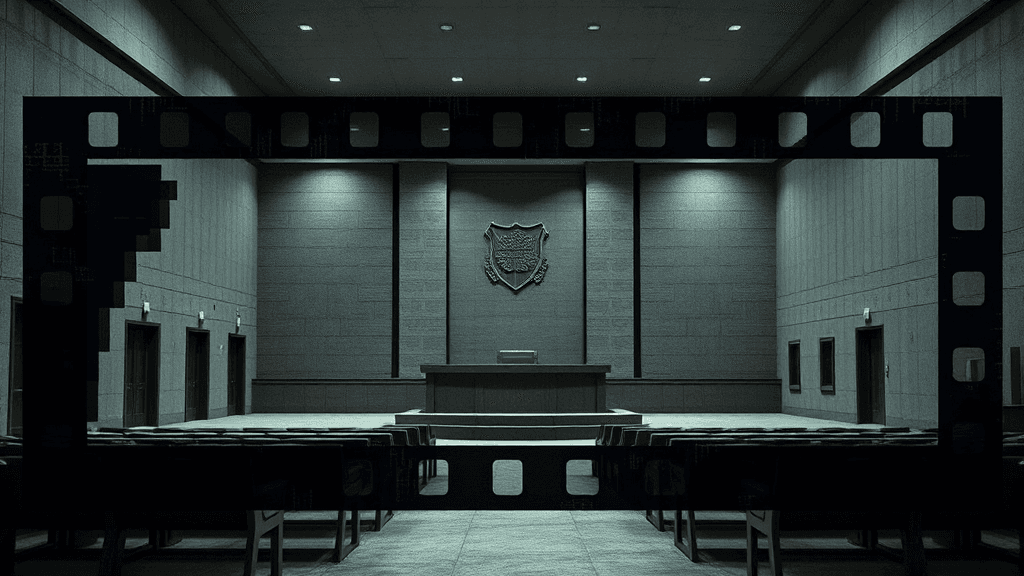
NUREMBERG: CORRUPTED FILE. STILL RENDERING.
By Grimbly31 · 11/6/2025
Static & Sentiment: A Look at ‘Nuremberg’ – It’s Complicated.
Look, I’ve seen things. Not on the internet, not just. I grew up in the static, the dial-up tones practically my lullaby. I’ve seen codecs crash mid-torrent, watched the birth of warez scenes, and argued with sysops over bandwidth allocation. So when a historical drama like ‘Nuremberg’ hits the screens, promising a gritty, unflinching look at the trials… well, I have expectations. And honestly? It mostly delivers, but with a weird, digital aftertaste.
Released yesterday alongside what feels like the entire indie film ecosystem, ‘Nuremberg’ (currently sitting at 73% on Rotten Tomatoes, which feels… generous, frankly) isn't your typical black-and-white courtroom drama. Director Anya Petrova opted for a desaturated palette, a lot of handheld camera work, and a sound design that’s more industrial hum than swelling orchestral score. It feels raw, like you're sifting through archived footage.
The performances are solid. Johannes Richter as the lead prosecutor is… unsettlingly good. He doesn't play the 'hero' card. He's tired, burdened by the weight of the accusations, and visibly wrestling with the moral implications of what he's doing. The German actors, especially, nail the quiet desperation and barely concealed resentment of the defendants.
However, and this is where it gets weird for an old nethead like me, there’s a constant undercurrent of digital noise in the film. Not literal noise, but visual glitches, almost subliminal distortions in the frame. At first I thought it was a projection issue. Then I realized it's deliberate. Petrova explained in interviews that she wanted to represent the fractured nature of memory, the unreliability of historical narrative. Okay, artsy. I get it. But it’s distracting. It’s like watching a compressed VHS rip on a modern screen.
The story itself is largely faithful to the historical record, focusing on the psychological toll the trial took on both the prosecutors and the accused. It doesn’t shy away from the uncomfortable questions: can justice truly be served in the wake of unimaginable atrocities? Is accountability enough? The film asks those questions, but it doesn’t answer them, leaving you feeling… unsettled.
Is it a perfect film? No. The glitch aesthetic is a bold choice, and I'm not convinced it fully works. But it's a challenging, thought-provoking piece of cinema that stays with you long after the credits roll.
Honestly? It feels like Petrova took the weight of history, ran it through a corrupted file, and projected the result onto the screen. It’s messy, imperfect, and strangely compelling.
Grimbly31’s Rating: 7/10. Worth seeing, but bring your anti-aliasing glasses.